All Articles
Thoughts on metal manufacturing, quality engineering, and innovation in automotive and construction components.
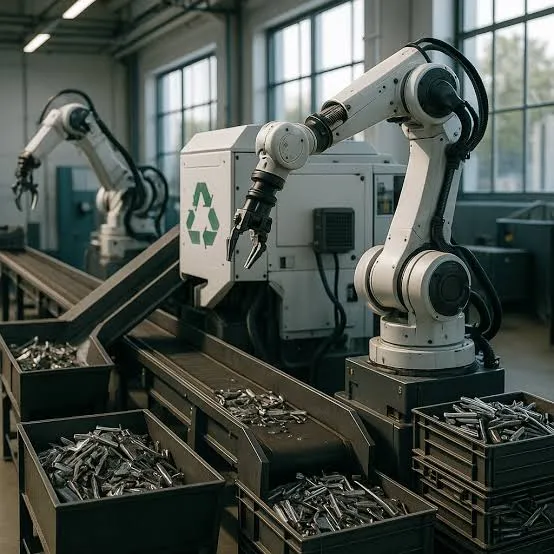
Reducing Scrap Through Process Optimization
Scrap reduction is one of the most effective ways to improve manufacturing profitability while reducing environmental impact. In metal stamping and machining, small process improvements can yield sign...
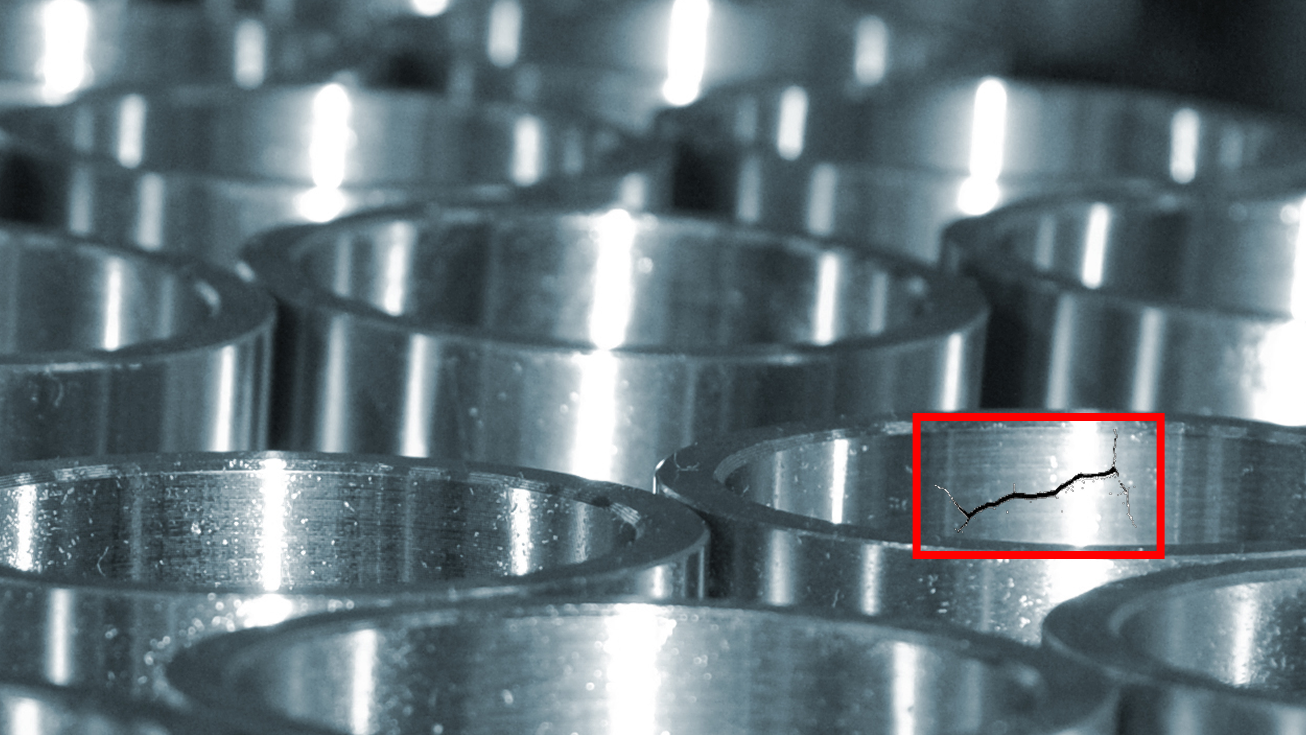
Quality Control in Automotive Metal Components
In the automotive industry, component quality is not just a preference — it is a requirement. Every part that goes into a vehicle must meet strict dimensional tolerances and material specifications. In this article, we explore the quality control processes that ensure each stamped and welded component performs reliably over the life of the vehicle.
Jun 19, 2026
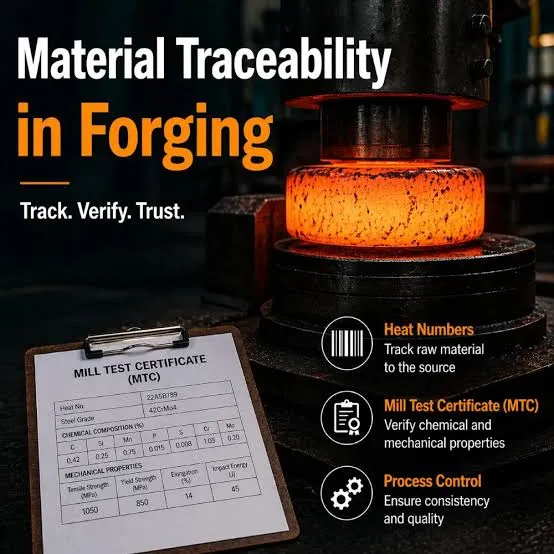
Material Certification: Ensuring Traceability in Construction
In construction projects, material traceability is often a regulatory requirement. Every steel component must be traceable back to its mill source, with certified chemical and mechanical properties.MTR RequirementsMill Test Reports (MTRs) document the chemical composition and mechanical properties of each heat of steel. These must be archived and available for every critical structural component.Our ProcessAt PRIMA, we maintain full traceability from incoming raw material to finished component. Each part is marked with a unique identifier linked to its material certificate and production records.
Jun 15, 2026
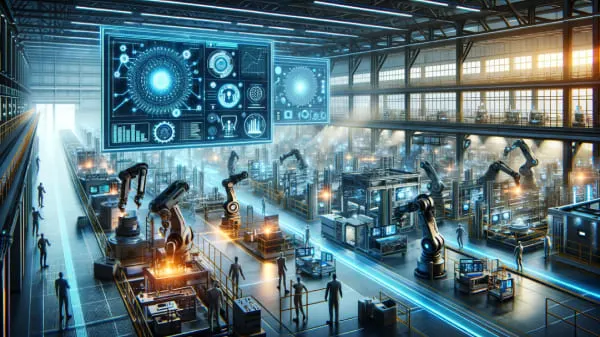
Industry 4.0 in Metal Fabrication
The fourth industrial revolution is transforming metal fabrication shops into smart factories. From IoT-enabled press machines to real-time quality monitoring, technology is making metal manufacturing faster, more consistent, and more traceable than ever before.
Jun 05, 2026
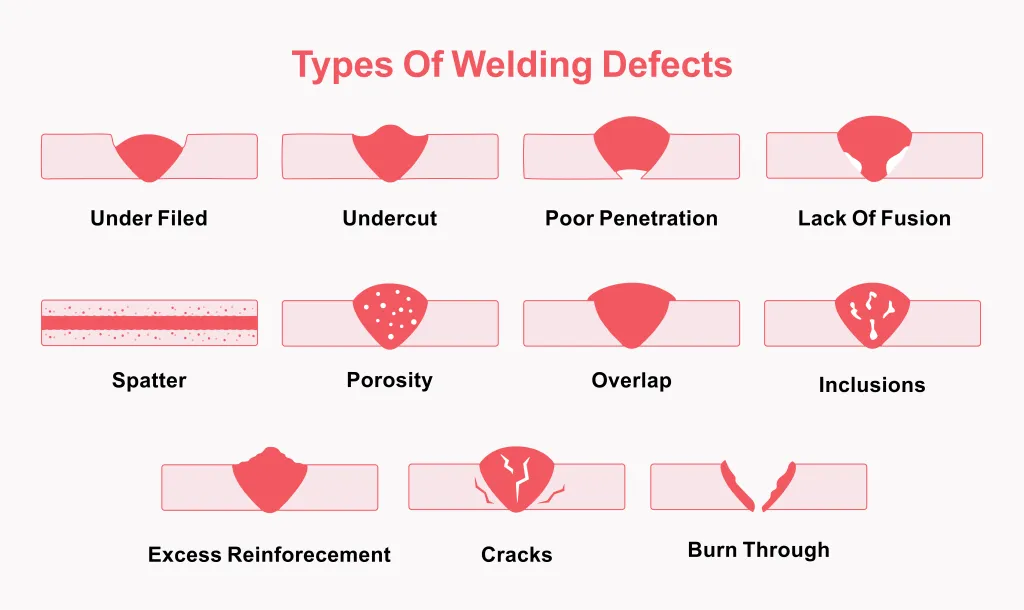
Welding Defects: Causes and Prevention in Structural Components
In structural metal fabrication, weld quality directly impacts safety and durability. Understanding common welding defects and their root causes is essential for maintaining high production standards.PorosityCaused by gas trapped in the weld pool, porosity weakens the joint. Prevention includes proper shielding gas flow, clean base materials, and correct welding parameters.CrackingHot cracking and cold cracking are the two primary types. Hot cracking occurs during solidification and is mitigated by controlling material chemistry. Cold cracking appears hours after welding and requires proper preheating and hydrogen control.Incomplete FusionOften caused by incorrect travel speed or improper torch angle, incomplete fusion creates weak points in the weld. Regular operator training and WPS qualification are critical preventive measures.
May 23, 2026
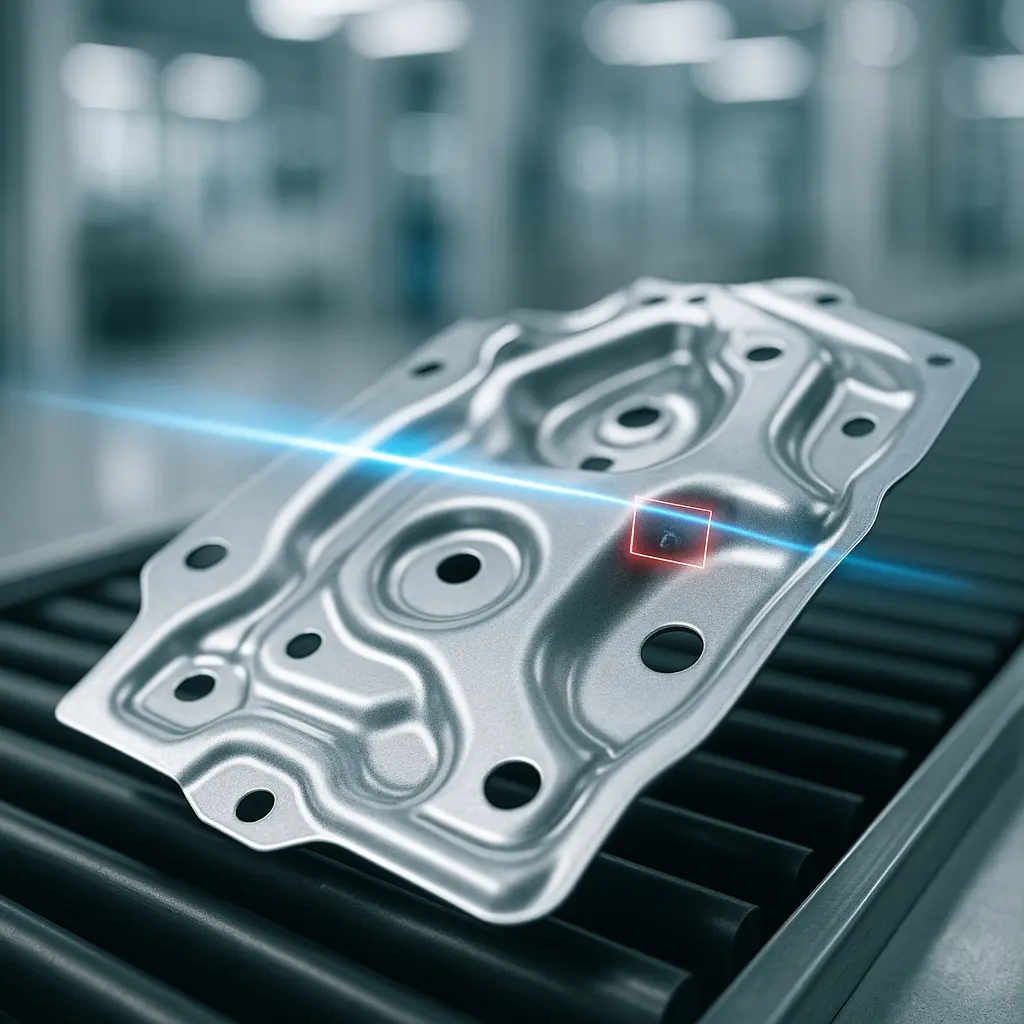
The Future of Metal Stamping in Automotive Manufacturing
Metal stamping has been a cornerstone of automotive manufacturing for decades, but recent advances in automation and material science are transforming what is possible. In this article, we examine the future trends that will shape the industry in the coming years.High-Strength Steel AlloysNew grades of advanced high-strength steel (AHSS) are enabling lighter, stronger components. These materials require specialized tooling and process controls that only experienced stamping partners can provide consistently.Automation and RoboticsFrom coil feeding to finished part inspection, automation is reducing cycle times and improving quality. Vision-guided robots now handle complex parts that previously required manual intervention.For manufacturers seeking a competitive edge, investing in these technologies is no longer optional — it is essential for meeting the demands of modern automotive production schedules.
May 17, 2026
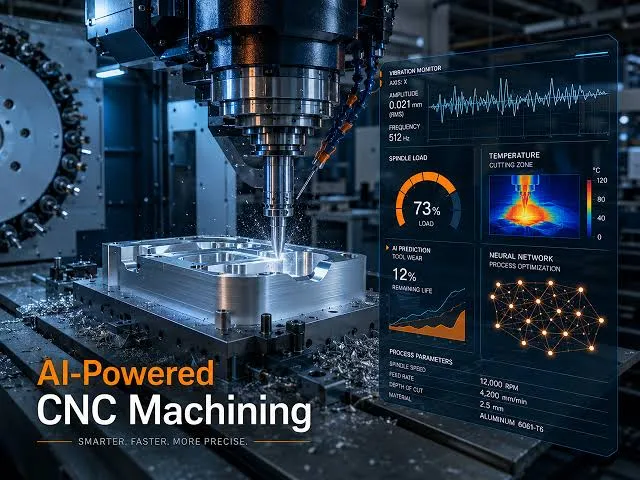
CNC Machining Tolerances: What You Need to Know
When specifying machined metal components, understanding tolerance classes helps you balance cost with performance. This guide walks through standard tolerance ranges and their practical implications.Standard vs Precision TolerancesStandard machining tolerances typically range from ±0.005" to ±0.010", suitable for most structural and non-critical applications. Precision tolerances of ±0.001" or tighter are required for mating surfaces and critical interfaces.Material ConsiderationsDifferent materials behave differently under cutting forces. Aluminum allows tighter tolerances than stainless steel, which tends to work-harden and deflect during machining.Working with an experienced CNC partner early in the design phase can help optimize your drawings for manufacturability without over-specifying tolerances that drive up cost.
May 04, 2026

Choosing the Right Material for Structural Components
Material selection is one of the most critical decisions in metal component manufacturing. This article breaks down the key considerations when choosing between steel grades, aluminum alloys, and specialty metals for construction and automotive applications.
May 04, 2026

Just-in-Time Delivery in Metal Component Manufacturing
Just-in-time (JIT) manufacturing requires suppliers to deliver components exactly when needed — not too early, not too late. For metal fabricators, this demands rigorous production planning and reliable quality processes.The Role of QualityJIT leaves no room for rework. Every component must pass inspection on first pass. This is why our quality system is designed to catch defects at the source, not at final inspection.Supply Chain IntegrationReal-time communication between manufacturer and customer is essential. Our production scheduling system is linked to customer forecasts, allowing us to adjust capacity proactively.
Apr 12, 2026